June 5, 2026 • Posted by IRG Stone for Design Bay Area
Some of the most compelling work in a designer’s career doesn’t happen alone. It emerges from dialogue between disciplines, between makers, and between materials…as well as the people who understand them best.
What makes a collaboration work? And how does a designer replicate it intentionally?
The Right People at the Right Time: Earlier
The designers producing the most unexpected outcomes tend to share a common habit: they bring material partners in while the projects are still fluid.
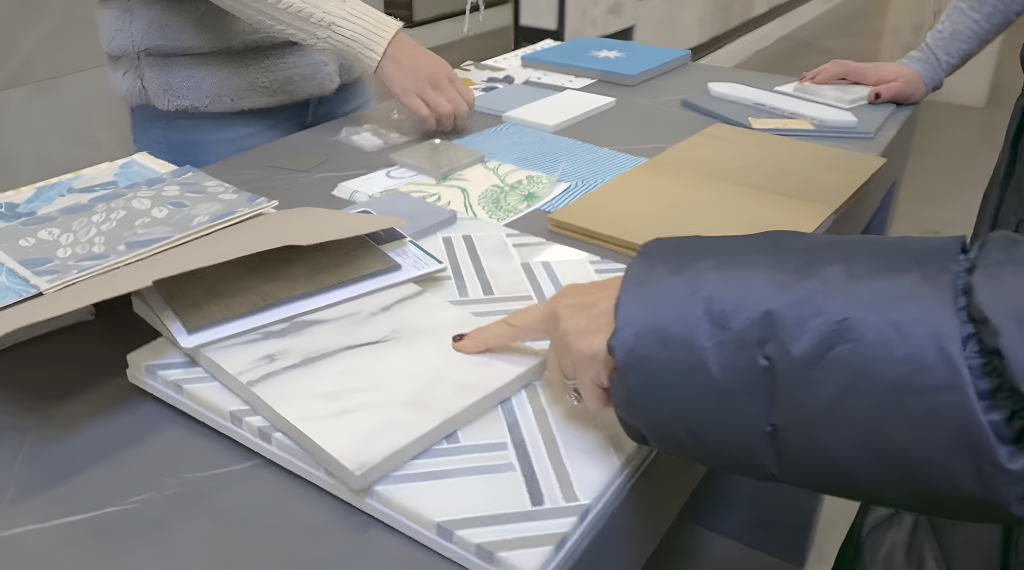
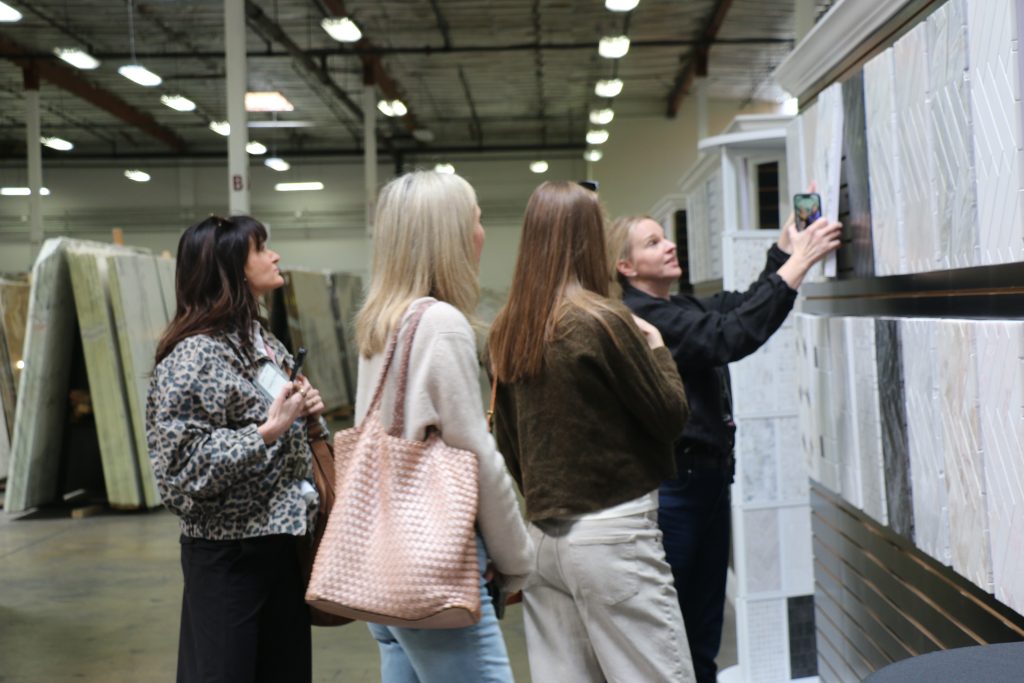
When suppliers are included as part of early conversations (such as concept development, prototyping, and specification), the creative range expands. Constraints become prompts, and unexpected applications have an opportunity to surface.
Material suppliers carry deep expertise about performance and possibility that no specification sheet can fully capture. The earlier that knowledge enters the process, the more it can shape the work.
Process as Part of the Story
The strongest design portfolios don’t just show what was made; they show how the thinking behind a project evolved. They record what was tried, the surprises, the solutions, and who contributed what along the way.
That kind of story doesn’t come together at the end. It’s built into the process from the start, which means asking early: what decisions will matter here? Who will be involved? What’s worth documenting as it happens?
When those questions are part of your project timeline, the resulting narrative is richer and more layered. It captures the logic and love behind your choices, it shows who shaped the direction and why, it chronicles the moments where the work evolved into something better than planned.
Shared Goals, Stronger Outcomes
The projects that tell the fullest stories tend to be ones where all the players understood from the get-go that the narrative being built was just as important as the object being made.
That kind of alignment changes how collaborators perform. When suppliers, fabricators and designers are woven into the process early on, they bring more context, investment, and willingness to push the envelope into unfamiliar territory. The result is that the work flows from a deeper well.
What This Makes Possible
Design that begins with strong explicit collaboration, and documents it with the same intention produces something far beyond a beautiful, finished project. It offers a roadmap for the future:
- A more accurate picture of how design can work beyond what is expected
- A richer, more dynamic archive of process and decision-making
- A story that can travel further and resonate more deeply
- A reflection of the full range of expertise that shaped the work
By recognizing individual roles, such as which designer initiated a concept, which supplier offered crucial expertise, or which fabricator solved a technical challenge, the project narrative becomes more transparent and meaningful. This detailed attribution not only honors contributors but also helps future teams understand the importance of collaboration.
The future of design isn’t just about the final product. It’s about how it was made, who made it and the encouraging and enjoyable story the participants can tell once it’s done.
Contact IRG Stone for ways we can collaborate on your next client project.
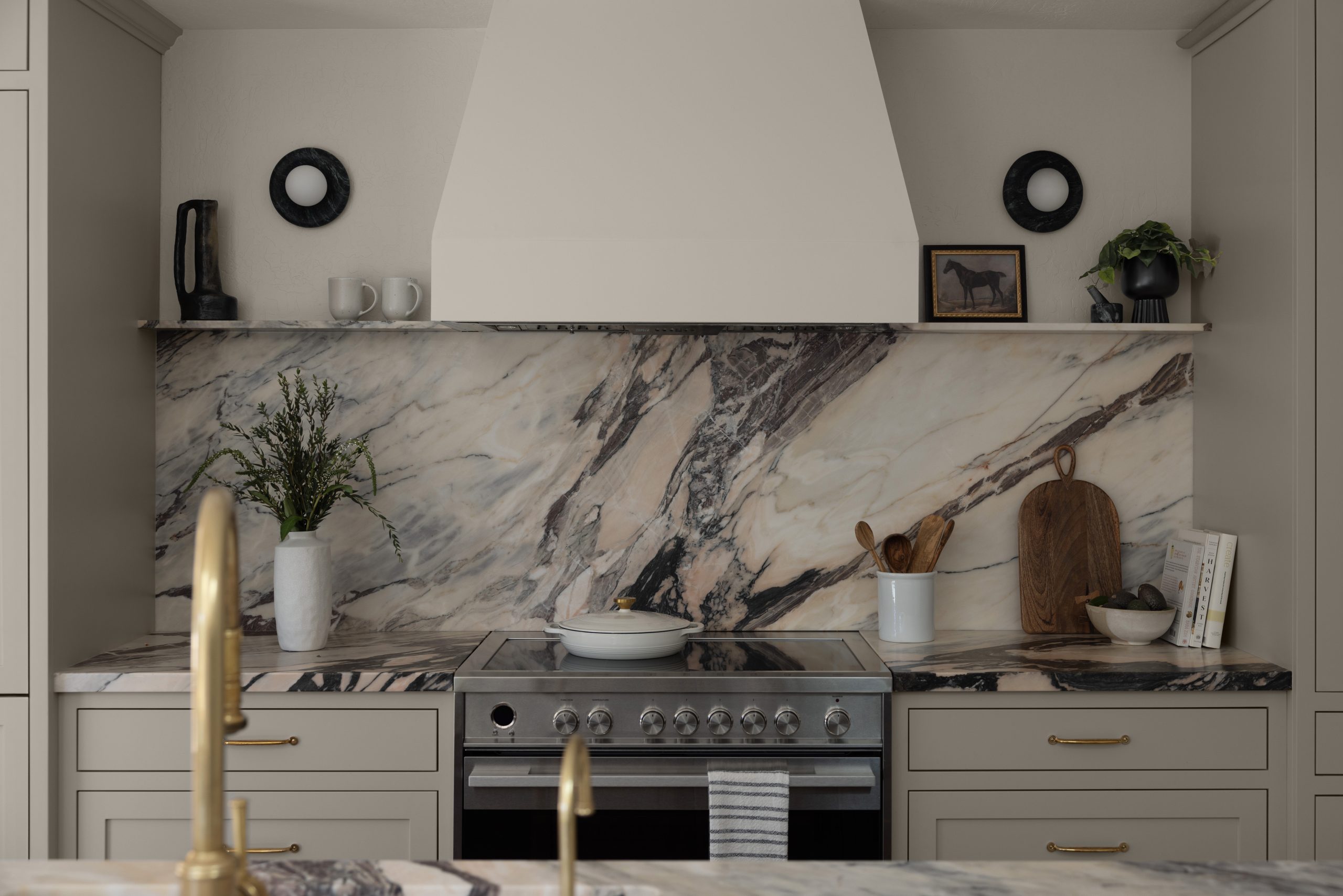
Main Image Photo Credit: Jessica Brydson Photography | Designer: Studio Lunarey