Where
Jack’s 615 Sacramento St
San Francisco, CA 94111
When
January 30, 2026
3:00 pm – 5:00 pm
January 13, 2026 • Posted by Design Bay Area
Part III of a Design Bay Area × Backen & Backen Panel Series
How can architecture support both physical and emotional well-being? In this third and final installment of Design Bay Area’s panel series in partnership with Backen & Backen, leaders in architecture, adaptive reuse, and wellness-oriented design explore how space shapes body and mind.
The conversation examines how thoughtful architecture—through sensory design, material health, and the reuse of existing buildings—can reduce stress, foster connection, and create environments that feel grounded and restorative. From historic revitalization to climate-responsive design, panelists will discuss how buildings can support resilience, memory, and community.
Topics include:
- Designing for comfort, presence, and well-being
- The role of light, air quality, acoustics, and natural materials
- Adaptive reuse as a tool for sustainability and emotional continuity
- Creating spaces that encourage gathering, reflection, and connection
- Designing for resilience in a changing climate
Panelists:
- Carson Howell, Regenerative Practices Department, Backen & Backen
- Page Finlay, Page Finlay Design
- Reed Finlay, Reed Finlay Design
Moderated by:
Why this conversation matters now:
Designers are being called to create spaces that not only function beautifully—but that help people feel better: calmer, clearer, more connected. In a moment when burnout, climate anxiety, and disconnection shape modern life, this panel offers a forward-looking examination of how architecture can actively support human well-being. This is a rare gathering of leaders shaping the next era of wellness-driven design—spanning architecture, culture, psychology, and hospitality.
We’ll explore:
We’ll bring together leaders across architecture, wellness, hospitality, and design to discuss:
- Wellness as a Design Framework: How the built environment influences the nervous system, shaping stress, clarity, rest, and creativity. We’ll explore:
- Sensory design: light, shadow, acoustics, air quality, temperature, and nature
- Material health: non-toxic interiors, natural materials, regenerative systems
- Architecture as ritual: spaces that support movement, breath, rest, reflection, connection
- Integrating wellness modalities into design: sauna, cold plunge, meditation, breathwork, spa programming
- The link between sensory experience and long-term well-being
- Adaptive Reuse as Emotional & Ecological Wellness: Buildings carry memory. When we reuse them, we preserve cultural continuity, reduce embodied carbon, and create spaces that feel grounded and human:
- How adaptive reuse supports psychological stability and place identity
- The emotional resonance of preserved structures—like Jack’s
- Reviving civic, hospitality, and urban spaces to meet contemporary needs
- Minimizing new construction through thoughtful transformation
- Architecture for Connection: Design deeply shapes how people relate to one another—and to themselves:
- Designing spaces that reduce burnout, overstimulation, and isolation
- Hospitality as a community body: gathering, celebrating, healing
- Environments that encourage presence, conversation, and belonging
- Creating places that allow for both privacy and communal joy
- Resilience & Recovery: Design as a tool for emotional restoration and climate adaptation:
- Fire-resilient rebuilding as trauma-informed architecture (Helena Vista)
- Creating climate-adaptive environments that protect and support the body
- Designing for smoke, heat, water scarcity, and ecological stress
- Strategies for comfort, safety, and recovery in a changing environment
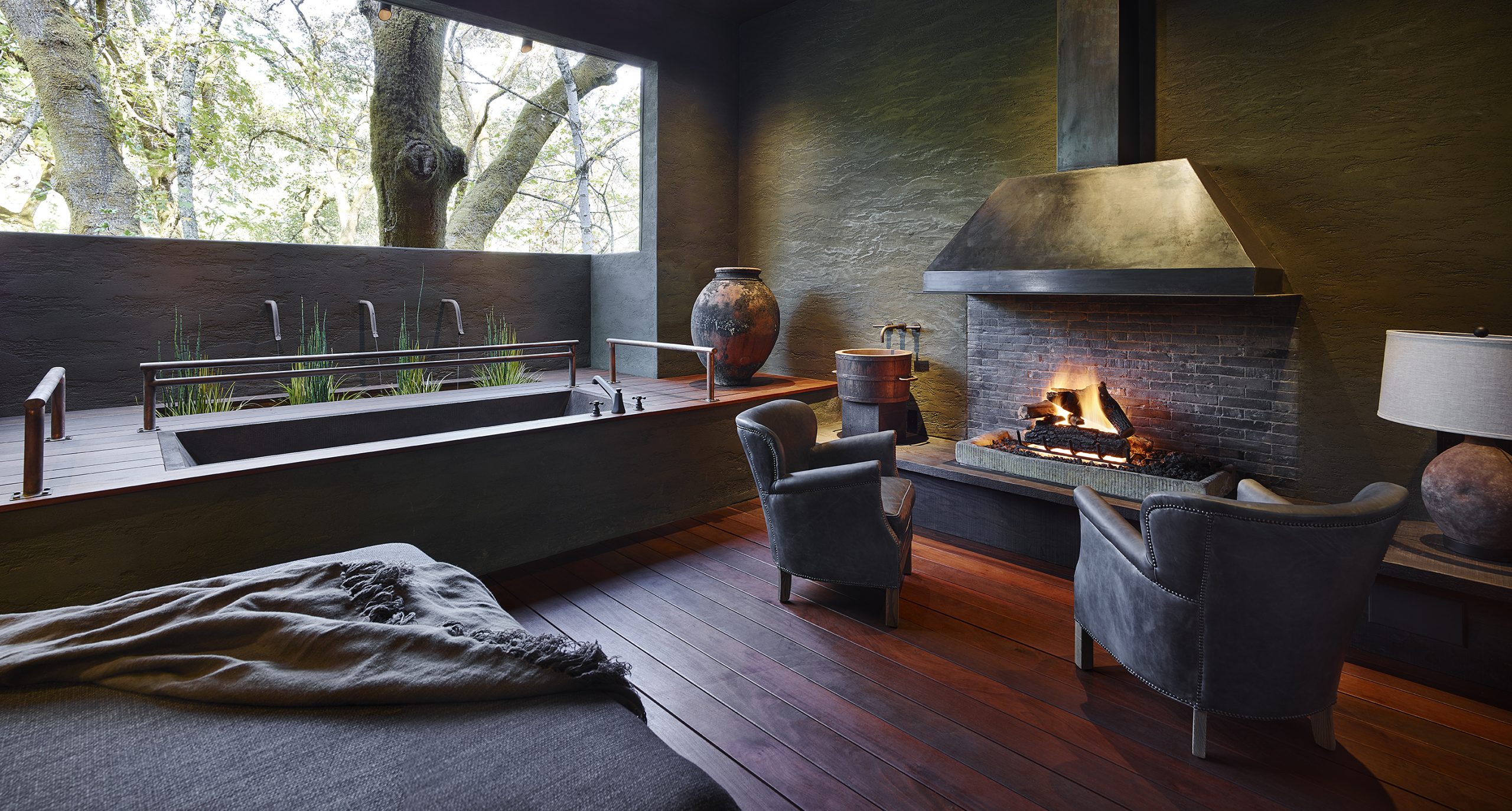
Photo credit: Adrián Gregorutti