July 21, 2025 • Posted by Design Bay Area
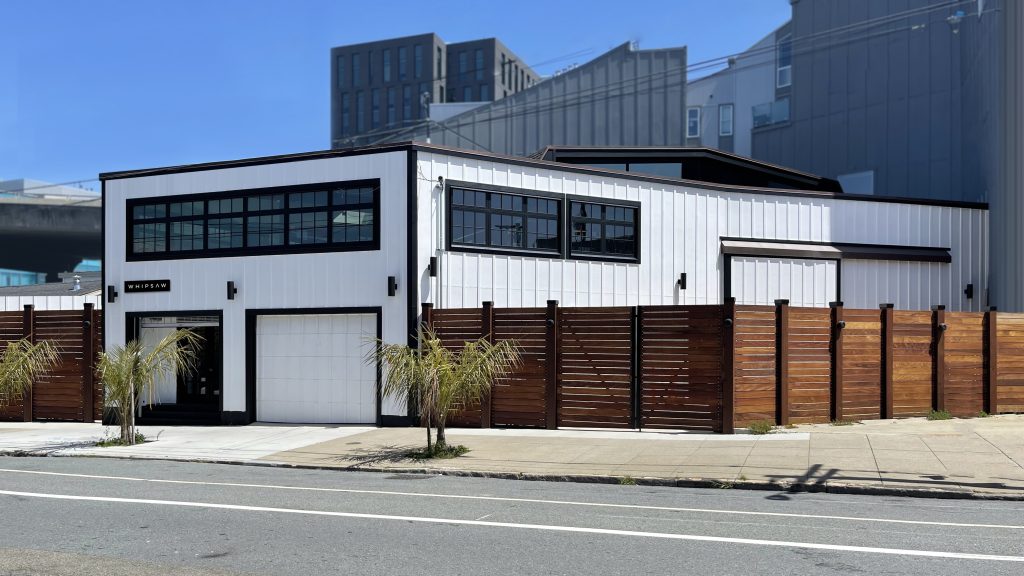
Whipsaw proudly marked its 25th anniversary last autumn celebrating a strong record of success with clients and partners. Since its inception in 1999, Whipsaw has stood at the forefront of product innovation, collaborating with clients from startups to industry titans. The firm’s expertise spans industries and is recognized for embracing a user-centric approach, creating exceptionally designed, high functioning products and engaging experiences.
“We are committed to our craft and remain steadfast in being a catalyst in design & technology.”
Dan Harden
Acclaimed industrial designer Dan Harden, Founder, CEO & Principal Designer, leads the team with an ethos based on art, culture, psychology, and innovation. Whipsaw has garnered an esteemed reputation for its ability to seamlessly integrate creativity, pragmatism, functionality, and advanced technology in every project––road mapping and solving critical design challenges to make an impact across industries. The company’s sweeping portfolio includes work with top-tier clients such as Google, Nike, Brita, Dell, Uber, Tonal, and many more, contributing to well over 1,000 products that have garnered over 300 design awards. Most recently, the firm was honored with 2024 awards from several prestigious organizations––Red Dot, iF, and Fast Company’s Innovation by Design.
Our CEO, Dawn Zidonis sat down with Dan Harden to discuss the past, present and future
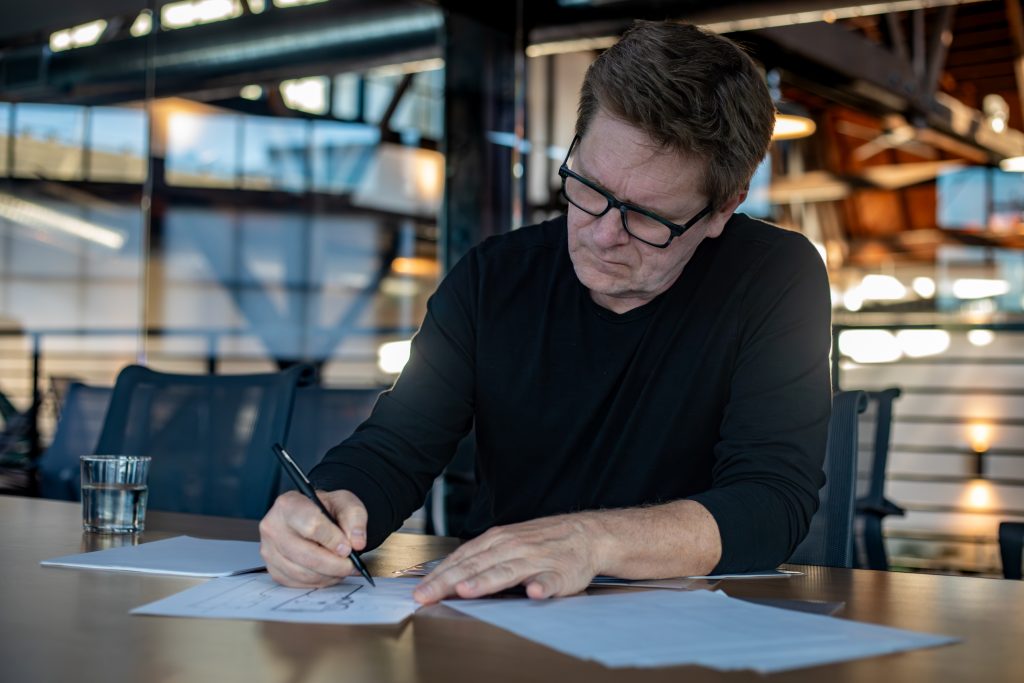
DZ: Let’s start at the beginning. What inspired you to start Whipsaw?
DH: I had a dream of starting a design firm as far back as design school. I had worked at several consulting firms for over 15 years (frogdesign, Henry Dreyfuss Associates, George Nelson Assoc.) which gave me a solid foundation in design and business, so by the late 90’s I felt it was time to do it!
DZ: What was the design industry like when you started in the San Francisco Bay Area?
DH: I came here in 1989. During that time the Bay Area was becoming the new hotbed of Industrial Design because many new technology companies needed good design. The Bay Area was suddenly THE place to be in the early nineties. ID graduates flocked here for hot jobs. Two European design firms that moved here, frogdesign and ID2, especially sparked this Bay Area design movement with their seminal work for Apple and Grid. A few other good firms – Lunar, Matrix and GVO – were also making an impact. A handful of graphic design firms like Landor Associates were here too, but digital firms didn’t exist quite yet.
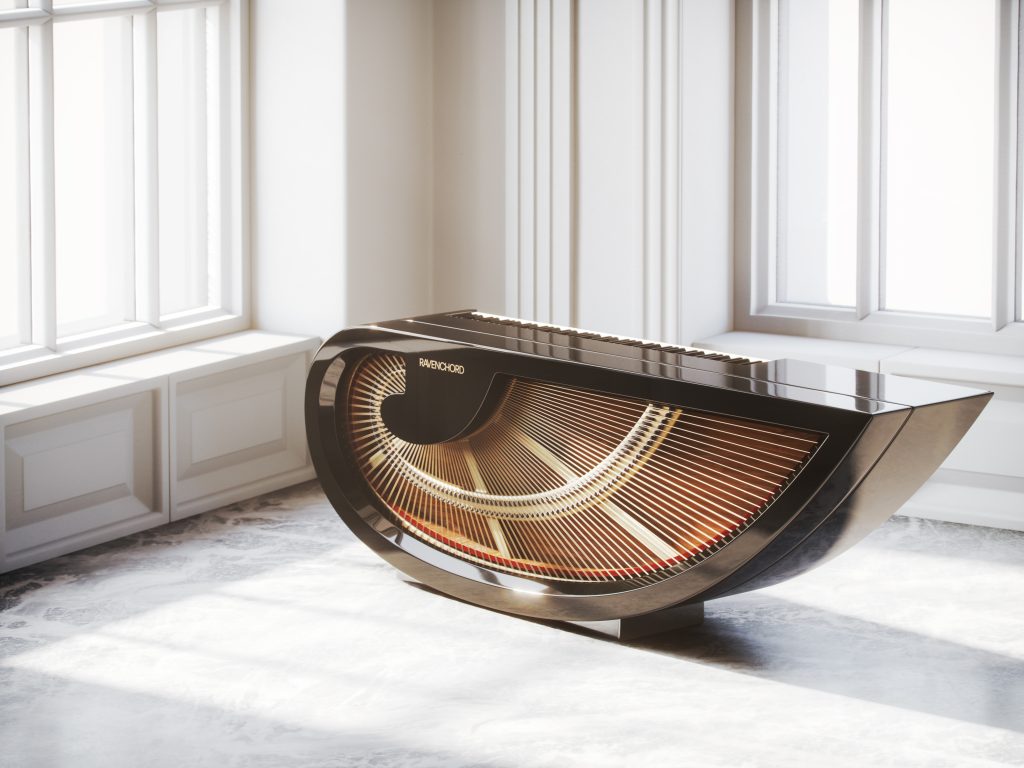
Photo: Ravenchord Piano
DZ: What were some of the biggest challenges in the early years?
DH: If I had to list them, they’d be:
- Getting great clients that had meaningful projects that paid well.
- Building a stellar team including outside lawyers and accountants.
- Establishing a new design firm brand from scratch.
DZ: Can you share a defining moment that shaped Whipsaw?
DH: During the first two years of founding the firm, we were invited to participate in several “bake-off” design competitions with other firms to win certain client accounts, including Gateway, Leapfrog, Rio Audio, and Eton Corp. We won them all, and they all shipped our designs. That sure helped us establish our brand presence. By 2003 we were flying.
DZ: What are some of the most iconic projects the studio has worked on?
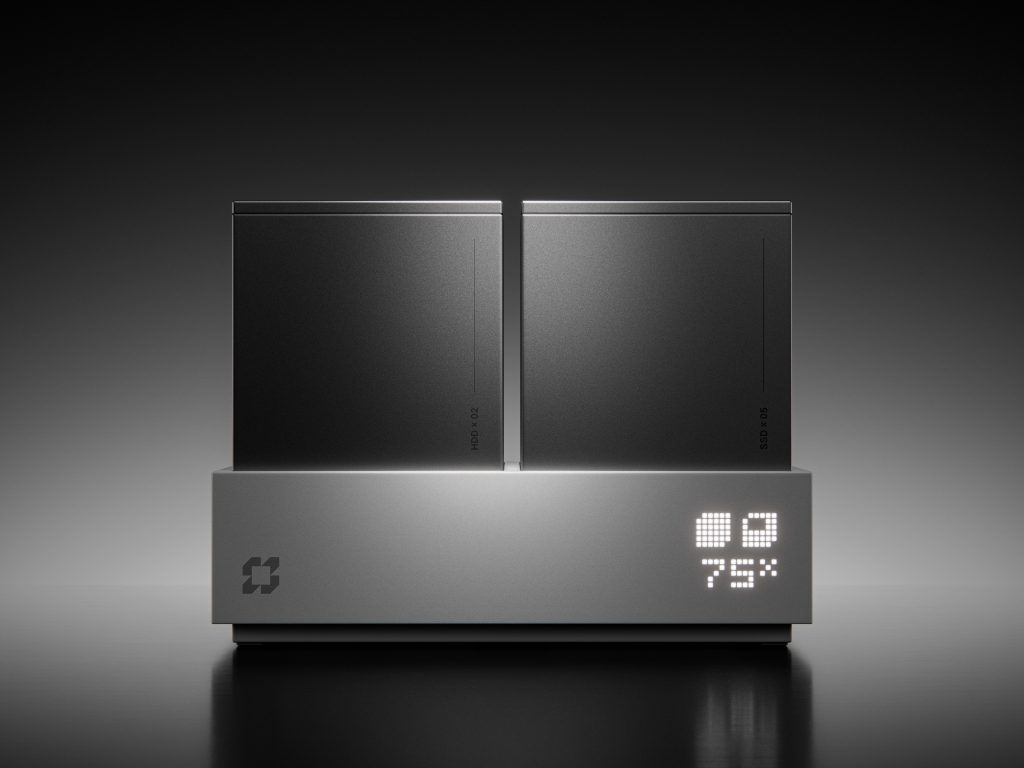
DH: From A-Z: Adiri baby bottle, Aescape Robotic Massage, Ancient Ritual Sauna, Brita Stream pitchers, Ceribell EEG, Cisco TelePresence, Dell Precision line, Eton field radios, Google Chromecast, IonQ quantum computer, Leapfrog LeapPads, Nest Dropcam cameras, Nike FuelBand, Owalla water bottles, PacBio gene sequencer, Ravenchord piano, Roku products, Samsung appliances, Skrolla lounge chair, Tile trackers, Tonal home gym, TP-Link product line, Uber Beacon, Yubo lunchbox.
DZ: How has your design philosophy evolved over the years?
DH: Most of our guiding philosophies about design and business remain unchanged. We still have an unwavering aspiration to innovate holistically and create beautiful, functional and responsible products and experiences. However over the years the role of design has evolved. Design as a service has expanded from its primary focus being on betterment of the artifact. It’s now an “action”. It’s physical and digital. It’s a “way of thinking”. Design became democratized and everyone wants to be a part of it. Our philosophy has matured with these changes, adding more services and methods, but we haven’t compromised one bit on our primary mission of quality and joy creation.
DZ: What innovations or trends has Whipsaw contributed to?
DH: Whipsaw has always had a diversified clientele, so we’ve been able to contribute to a wide range of innovation and trends across consumer electronics, housewares, computing, networking, medical, scientific equipment, furniture, robotics and other specific vertical markets. That deep diversity has helped us see problems and opportunities from many angles and allows us to merge thinking across categories. For example when we’ve designed saunas, robotic massage systems, or fitness systems we combine consumer electronics, medical and robotics design sensibilities into one. This cross-integration has helped to advance trends in many areas especially wellness, fitness and personal healthcare.
We always make sure that whatever we are designing, even the most obscure thing, we find its best archetypal essence, instead of following a trend. We try to find an “inner voice” and reveal it. That approach has allowed us to create many “first of its kind” products, which have in turn created trends …such as Dropcam cameras, Owalla Freesip bottle, Adiri natural nurser, Chromecast, Tonal, Brita Stream, Tile trackers and others.
DZ: Are there any clients or collaborations that stand out as particularly meaningful?
DH:
Fortunately there have been many, but here are a few:
- Making our own products, starting with the Skrolla lounge chair and the new RISE cane. Both
of these are my personal passion projects, which makes them particularly meaningful. - Collaborating closely with Google to design and develop their first line of hardware products.
- Helping Tonal develop from a tiny startup to a fitness phenomenon by inventing, designing and
engineering a ground-up unique strength training machine. - Working with moms and babies to design the first “natural” baby bottle for Adiri.
- Designing the Ancient Ritual sauna during the pandemic when we were fixated on designing
for inner peace and well-being.

Photo: Skrolla Lounge Chair
DZ: How has the studio influenced the industry or the world of industrial design?
DH: From Day 1 we’ve always just tried to do the best work we can, and we never let up. We hear that our consistent and relentless push for design excellence has been an inspiration to many. More than 1,000 products we designed have gone to market, and when you ship as a designer you influence the masses. We’ve also won more than 350 design awards and granted over 700 patents, so I guess we’re doing something right. Whipsaw isn’t only a company – it’s a social community of people with a shared passion for good design.

Photo: IonQ Forte Enterprise Quantum Computer
DZ: How has technology changed the way you design and develop products?
DH: Technology has had a massive effect on our productivity and output. We can produce more concepts faster and more precisely than ever before. The CAD and visualization tools now allow us to see our ideas with uncanny reality. We can see and understand scale almost instantly using virtual reality, which is especially useful on large products without waiting weeks for a model to be made. Our shop shrank over the years due to prolific 3d printing. More recently we are experimenting with AI which is good for setting context or stimulating thoughts. Finally collaboration tools like Slack, Asana and Miro have made us more efficient collaborators.
DZ: What major shifts in industrial design have you witnessed over the last three decades?
DH: There have been a few:
- The proliferation of technology tools as stated above.
- The growth of UX (a major and welcome shift because it puts the user first), and the way
digital design has merged with ID is a major shift. - Sustainability mindfulness (but it’s not major enough considering the state of the planet).
- A movement away from organic form towards minimalism (which often goes too far to
the point of being boring sameness). - The awareness and appreciation of Industrial Design has grown, partly influenced by the
success of Apple and the overused term “design thinking”. Now if you say you’re an
Industrial Designer at a party everyone smiles and wants to hear about it.
Photo: Scrolla Lounge Chair
DZ: How has sustainability influenced your design approach?
DH: Sustainability is now as important as form, function and usability ..and in some cases it’s the priority. Just being awake and watching what’s happening to our world should alert every designer to the importance of thinking ecologically. Recyclability is a no-brainer design move, but overall energy consumption and conservation are perhaps even more important. Our goal is to “do it with less and make it so darn good that the customer keeps it for life”.
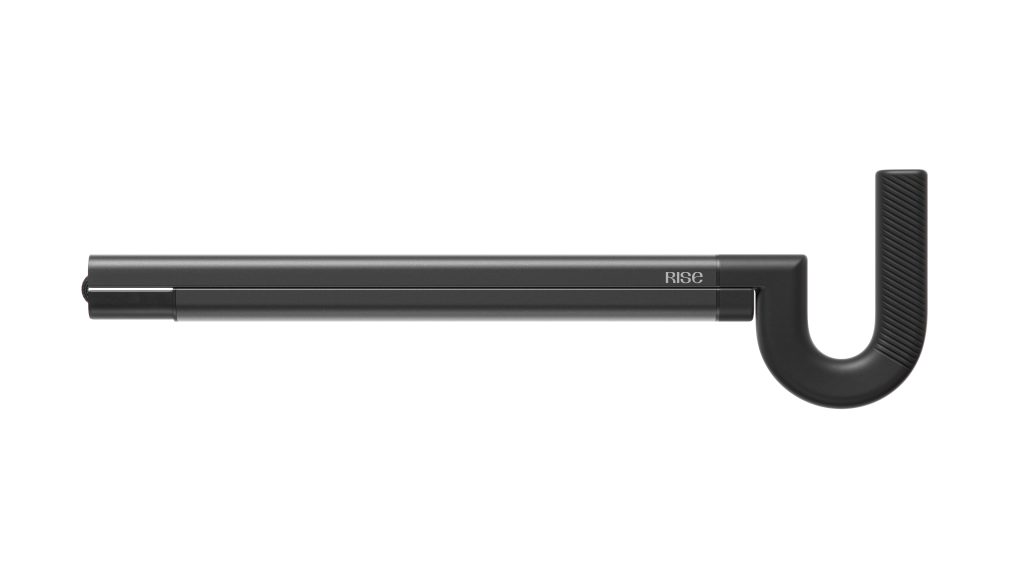
Photo: Rise Cane
DZ: Were there any major shifts which contributed to the culture at Whipsaw?
DH: Whipsaw started out with strong ID and ME core teams, but our culture evolved when we saw how much engineering services were becoming an outsourced commodity. We shrank engineering and moved towards strategy, UX, digital and branding. We now emphasize early- stage creative development that we refer to as “sunrise innovation”. We still offer strong technical and engineering support, but that inspired sunrise shift has given us an edgier and more fun culture that delivers better results.
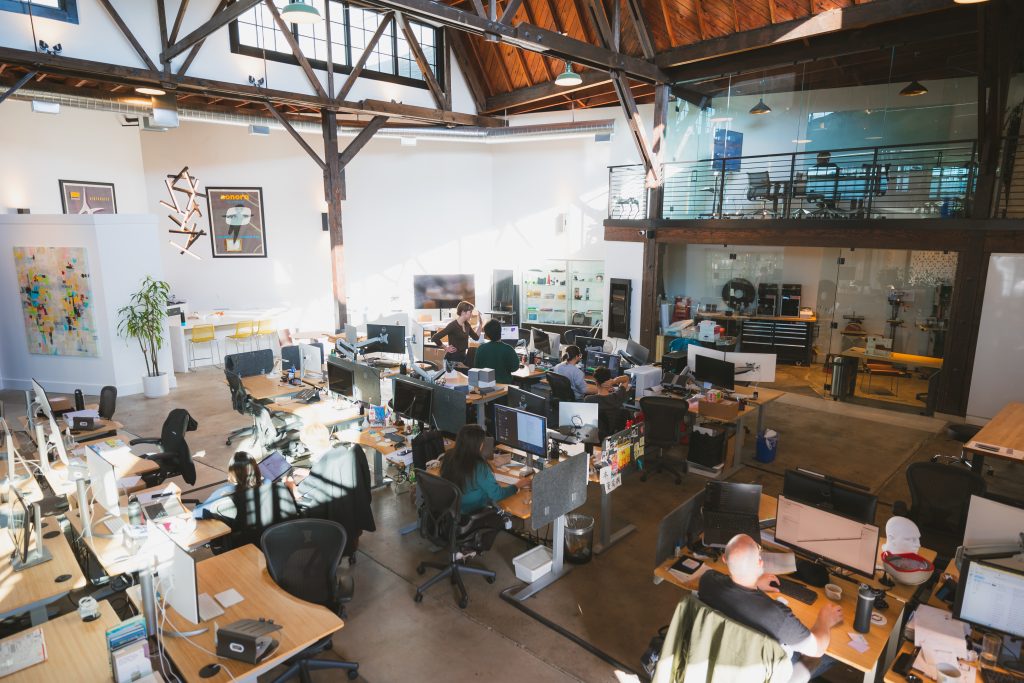
The pandemic also affected our culture by changing our attitudes about our creative environment. Working remotely during the pandemic we realized that we eventually needed a studio so good it was almost better than home. We made that happen and we became closer as a team.
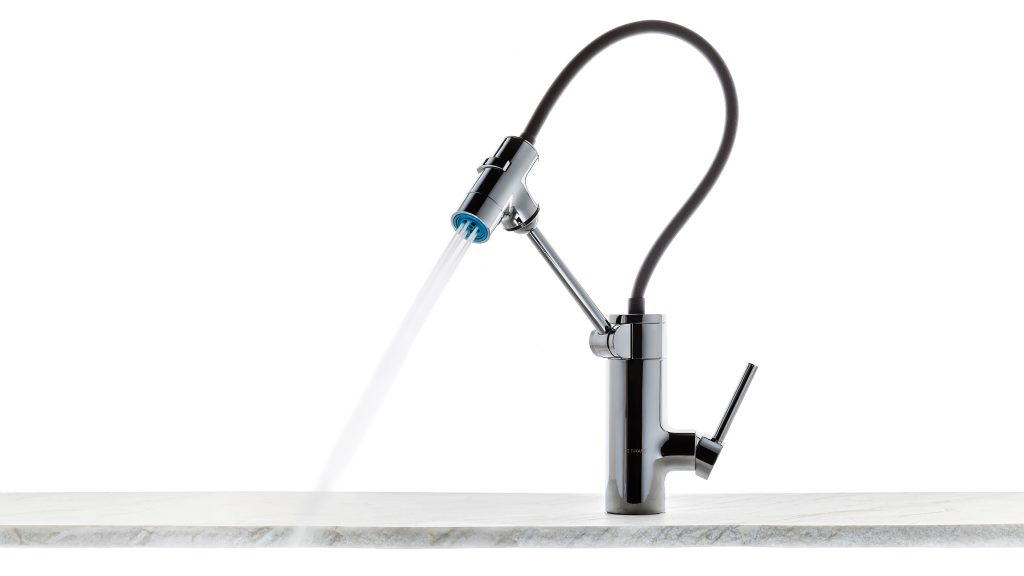
Photo: DG Takano Melior Water Faucet | The Bubble90 nozzle, which reduces water usage by 80% while enhancing cleaning power, is a breakthrough in water conservation.
DZ: What excites you about the future of design?
DH: Like a lot of industrial designers, I’m excited about AI but also anxious about it. It’s absolutely mind boggling what it can do now after only a few years, but it will without a doubt replace design jobs as it gets better and better. I am always excited to learn about some hot new technology, that I know will benefit from good design. We never tire of giving technology identity and a warm human element. Robots with AI are exciting because it’s a chance to design a new kind of life form, complete with emotion and dynamic presence.
Our world is a total mess right now, but in spite of that fact I hold out hope that design will continue to be a positive force for change – because after all, its purpose is to make the things we produce more responsible, empathic, efficient and beautiful.
DZ: What has been the most fulfilling part of leading this studio?
DH: Everything about it is fulfilling. Working on great projects with talented people. Attracting fantastic clients that want to change the world with us. Seeing end users out there enjoying something we created. For me personally I like to be in the trenches doing design work. Running a company is fulfilling but nothing matches the rush I get from the creative process that is full of exciting twists and turns, struggles, surprises and the ecstasy of discovery.
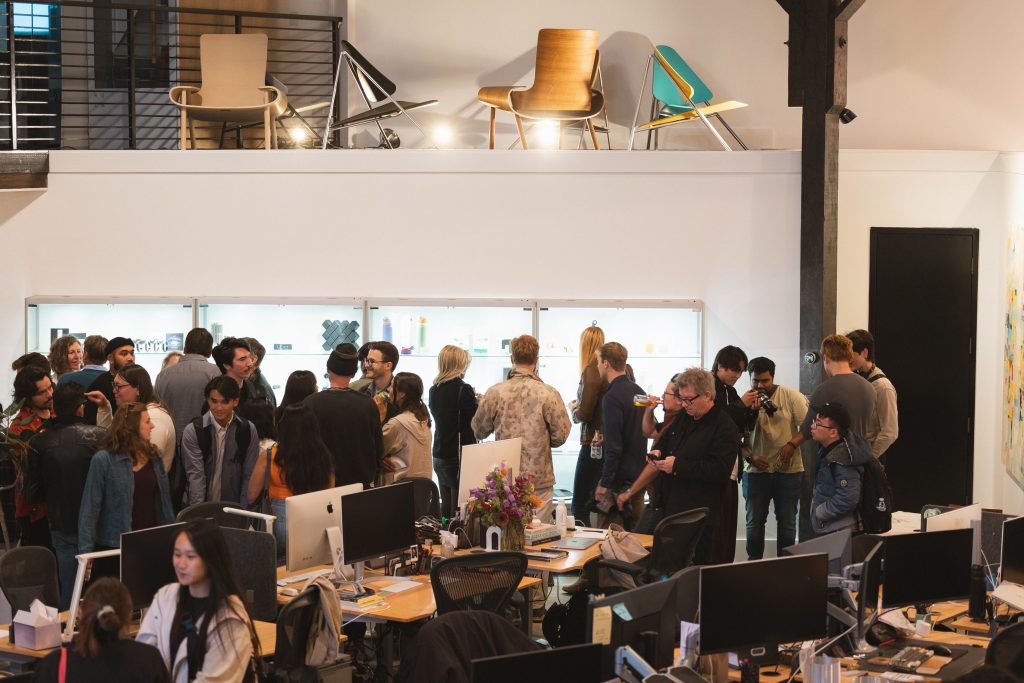
Photo: Whipsaw Studio during a recent social gathering
DZ: If you could go back and give your younger self advice, what would it be?
DH: You’re on the right track, keep nurturing that dream and stay true to what you believe in. Stay curious and inquisitive. Keep listening to that whispering mysterious muse that sends you ideas.
We are poised to continue our commitment of creating artifacts and experiences that are beacons of excellence. As a former Whipsaw employee once wrote me, “A snappy hip cat has a wish, to see his whipsaw go swish-swish” …and swish-swish is exactly what we plan to keep doing.
Dan Harden
DZ: What do you think will be Whipsaw’s Legacy?
DH: Time will tell and it’s for others to say, but I suppose our large oeuvre of work across many categories that collectively amount to a profound positive effect on individual lives and many client successes.
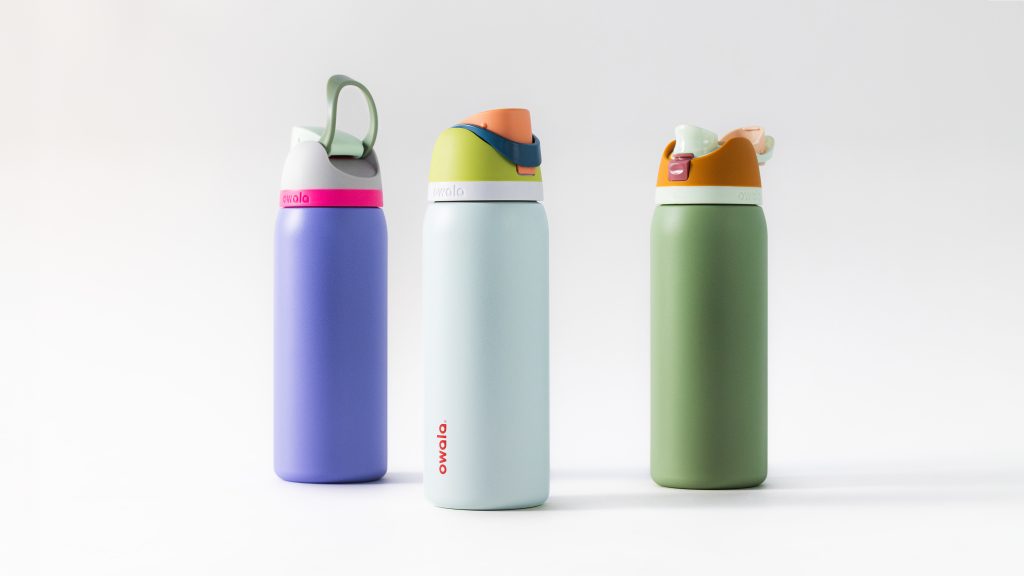
Photo: Owala Free Sip Bottle

Whipsaw is a product design and experience innovation company headquartered in Silicon Valley. Founded in 1999, we are now one of the world’s most highly acclaimed and accomplished product design agencies. We have introduced more than 1000 products to market in sectors including medical, scientific, consumer electronics, housewares, and robotics. Our clients include top international companies like Google, Uber, Ford, Nike, Samsung, and emerging startups like Tonal, Blumio, Bossanova, and Tile. We strive to create smart, unique and intuitive solutions that profoundly connect with users on both rational and emotional levels.
Website: whipsaw.com
Read more about Whipsaw’s 25th Anniversary